
How to Build a Destination Wedding Photography Timeline
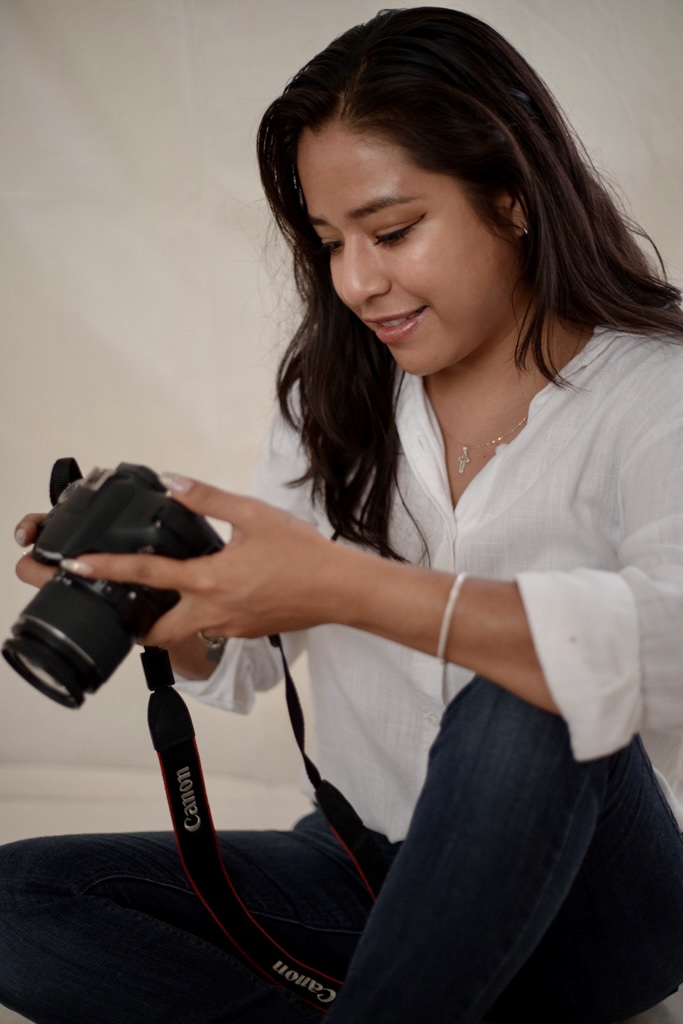
A destination wedding photography timeline should begin with your ceremony, the locations you will use and the moments you want to experience with your guests. From there, create space for preparation, portraits, transportation and delays.
The goal is a day that feels good to live through. Photographs benefit when you have time to be present instead of constantly catching up.

Start with the fixed moments
Write down the ceremony time, venue access window, meal service and any other events that cannot easily move. Ask your planner or venue which timings are flexible before building portrait sessions around them.
Then share your priorities with your photographer. A private first look, a long family portrait list and sunset photographs each affect the schedule differently.
Choose what matters most so the timeline has a clear purpose.
Treat travel as part of the wedding day
If you are getting ready at a hotel and marrying elsewhere, include time to gather belongings, reach the vehicle, load everyone and arrive at the right entrance.
Confirm the route with your local team and account for the date and time of travel. A map estimate is a starting point, not a promise.
Keeping portraits near the ceremony or reception can protect time with your guests. A second location may be worthwhile, but it should add something meaningful to your experience.
Plan portraits around the actual light
Ask your photographer to consider the date, the direction of light, nearby buildings and the available shade. “Sunset portraits” need a location-specific plan; a courtyard or landscape feature may lose direct light before the published sunset time.
You do not need every portrait at one perfect hour. A short session earlier and a brief evening break can be an option when the reception schedule allows it.
Example: an eight-hour photography schedule
This is an illustrative schedule for a wedding concentrated at one property. It is not a recommended ceremony time for every destination or season.
1:00 p.m.: Final preparation, details and getting dressed.
2:00 p.m.: First look and couple portraits.
2:45 p.m.: Wedding-party and selected family photographs.
3:30 p.m.: Buffer, guest arrival and time to reset.
4:00 p.m.: Ceremony.
4:30 p.m.: Congratulations and remaining family photographs.
5:00 p.m.: Cocktail hour and candid coverage.
6:00 p.m.: Reception begins; a brief portrait break only if light and service allow.
7:00–9:00 p.m.: Planned speeches, dancing and reception coverage.
Move these blocks with your team to fit ceremony length, cultural traditions, meal service and daylight. If you prefer to skip a first look, relocate those portraits and consider the impact on cocktail hour.
Have a weather alternative you would actually enjoy
Identify a covered portrait area and a ceremony alternative with your venue. Confirm who decides on a change and when that decision needs to happen.
A realistic alternative makes it easier to stay present if the weather changes. It also helps your photographer plan lighting and movement without improvising every detail at once.
Share one final version
Your photographer, planner, video team and venue should work from the same schedule. Include a short family portrait list and identify someone who can help gather people.
Then allow the day to feel human. A meaningful conversation or a longer embrace is not a scheduling failure.
Tell me your destination, ceremony plans and photography priorities. We can shape coverage around a day you will enjoy remembering—and living.


Comments